
Psychiatry & Medication Management
Psychiatric evaluation and ongoing medication management.
Request an AppointmentPsychiatry & Medication Management
About Psychiatric Care
When anxiety, depression, bipolar disorder, ADHD, or other mental health conditions affect your daily life, therapy alone sometimes isn't enough. That's where psychiatric care comes in. Our psychiatric team specializes in evaluating how medication might support your treatment-working alongside our therapists to help you feel better, think clearer, and regain control.
We're not here to push pills. We're here to offer you options. Sometimes that means medication. Sometimes it means optimizing your therapy. Often it's both. Our goal is to find what actually works for you, not what looks good on a chart.
Our psychiatric providers include a board-certified Physician Assistant (PA) and Nurse Practitioners (NPs) who bring years of experience in medication management, mental health conditions, and collaborative care. They work closely with your therapist-if you're seeing one-to make sure everything moves in the same direction.
When Medication Might Help
If any of these sound familiar, it's worth having a conversation with our psychiatric team:
- Major Depression - when sadness, hopelessness, or numbness won't lift, even with good therapy and self-care
- Anxiety Disorders - generalized anxiety, panic disorder, social anxiety, or OCD that interferes with work, relationships, or daily routines
- Bipolar Disorder - mood episodes that swing between depression and elevated/manic states
- ADHD - trouble focusing, staying organized, managing time, or controlling impulses despite effort
- Bipolar Depression - the depressive episodes of bipolar disorder, which often need different treatment than regular depression
- PTSD - trauma-related flashbacks, avoidance, hypervigilance, or nightmares that therapy needs support to address
- Obsessive-Compulsive Disorder (OCD) - intrusive thoughts and compulsions that resist exposure therapy alone
- Persistent Sleep Problems - insomnia or disrupted sleep that affects your mood, focus, and overall recovery
- Substance Use Disorder - medication-assisted treatment can help stabilize cravings and support long-term recovery
- Complex or Difficult-to-Treat Conditions - when you've tried one or two approaches and aren't seeing the progress you hoped for
None of these means you have to take medication. But if you're stuck, exhausted, or not improving, it's worth exploring.
How Psychiatry Works at Make Your Turn
Our approach is collaborative and practical.
Your psychiatric provider conducts a thorough evaluation-medical history, current symptoms, what you've tried, what side effects concern you, family history. They review lab work if needed. They ask the questions therapy alone can't answer. Then they talk through options with you. What are the benefits of a given medication? What are realistic side effects? How long does it usually take to work? What happens if it doesn't?
If you decide to try medication, your provider will start thoughtfully-usually at a lower dose, adjusted gradually based on how you respond. This isn't a set-it-and-forget-it process. You'll come back for follow-ups (often every 2–4 weeks at first) to talk about how you're feeling, any side effects, and whether we need to adjust.
Your therapist stays in the loop. We share relevant updates-your provider and therapist communicate to make sure medication changes align with your therapy goals. If medication helps you sleep better or calms your nervous system, your therapist can lean into that momentum. If a side effect is affecting your mood, we catch it early.
Monitoring is ongoing. We track your symptoms, how you're functioning, side effects, and any life changes that might affect your treatment. As you improve, we might adjust down. If something isn't working, we try something else. Medication management is active-not passive.
You're in charge. You can raise concerns, ask questions, decline medication, or ask to make changes. If a medication isn't working or side effects are too much, we listen and problem-solve together.
What to Expect
Initial Psychiatric Evaluation (60–90 minutes)
Your first appointment is thorough. Your provider will ask about your mental health history, medical history, medications, family history, lifestyle, and what's brought you in. They'll discuss your symptoms in detail and explore what you've already tried. If relevant, they may order labs or medical tests. By the end, you'll have a clear sense of what might help and what options look like.
Follow-Up Visits (30–60 minutes)
After starting medication, you'll have more frequent visits-typically every 2–4 weeks for the first 2 months, then monthly or as-needed. These check-ins focus on how you're responding, any side effects, adjustments needed, and your overall progress.
Medication Adjustments
If a medication isn't working as hoped, we adjust the dose, try a different medication, or add something to enhance the effect. This takes time-most medications need 4–8 weeks to show full benefit. We don't jump around; we're methodical.
Long-Term Coordination
Once you're stable, visits space out to every 2–3 months (or longer, depending on your stability). You'll continue to work with your therapist. Your provider and therapist stay connected, checking in about your progress and making sure everything is working together.
Telehealth Available
Most follow-up visits can happen virtually. Your initial evaluation is usually in-person, but if distance or schedule is a barrier, we can discuss options.
Frequently Asked Questions
Will I be on medication forever?
Not necessarily. Some people need medication long-term-some conditions are more stable on medication and relapse quickly without it. Others use medication as a bridge-taking it for 6 months or a year while they build therapy skills, then working with their provider to taper off. It depends on your condition, your history, and your goals. We plan for the long term but reassess regularly.
Does my insurance cover psychiatric visits and medication?
Most insurance plans cover psychiatric care, though coverage varies. We'll check your benefits before your first visit and let you know what you might owe. We also work with patients on a sliding fee scale if cost is a barrier.
Can I do therapy and psychiatry at the same time?
Yes-and we recommend it for most people. Many conditions respond best to the combination. Your therapist helps you build skills and process emotions; your psychiatric provider helps stabilize your brain chemistry so you can use those skills. They work together.
What if I'm hesitant about medication?
That's normal. Lots of people have concerns-side effects, dependency, the idea of "chemical solutions," or just uncertainty. We take that seriously. Your provider will explain the evidence, address your specific concerns, and help you weigh pros and cons. If you're not ready for medication, that's okay-we'll focus on therapy and revisit later if things don't improve.
How soon will I feel better?
It varies. Some medications start working in days; others take 4–8 weeks to show their full effect. Many people feel a bit better within 2 weeks, then continue improving. Relief isn't always dramatic-sometimes it's subtle: you sleep better, your thoughts feel less cluttered, you're less irritable. Your provider will set realistic expectations based on your condition.
Our Locations
We offer psychiatric services at our offices in Toledo, Perrysburg, and North Canton, Ohio, as well as Monroe, Michigan. Many follow-up visits are available virtually if that works better for your schedule.
Ready to talk about whether medication might help? Schedule a psychiatric evaluation with our team. We'll figure out what makes sense for you.
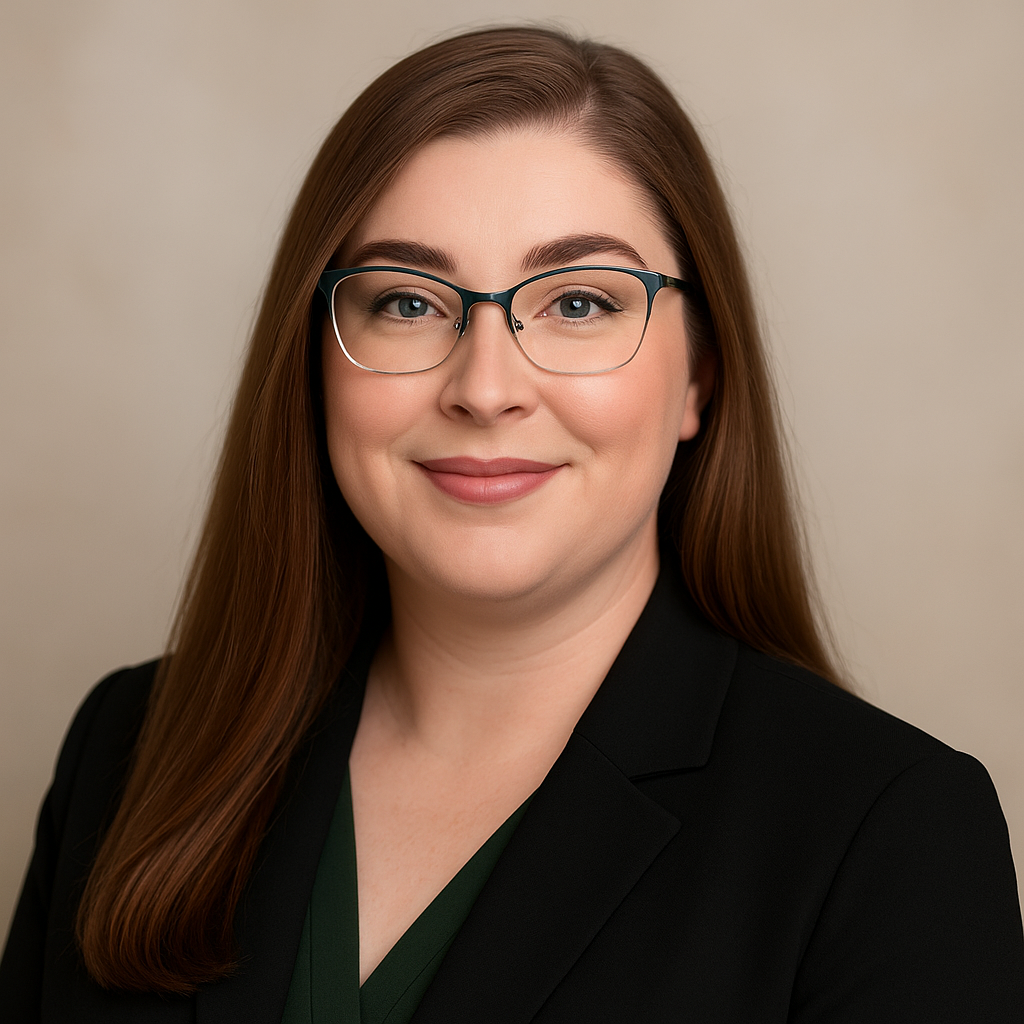
Clinicians who specialize in psychiatry & medication management

Where we offer psychiatry & medication management
Get matched with a psychiatry & medication management specialist
Take the first step. Our team will match you with the right provider.
Request an Appointment